What We Do



Investing in Discovery
Public Engagement
Accelerating Discovery
About Us
News

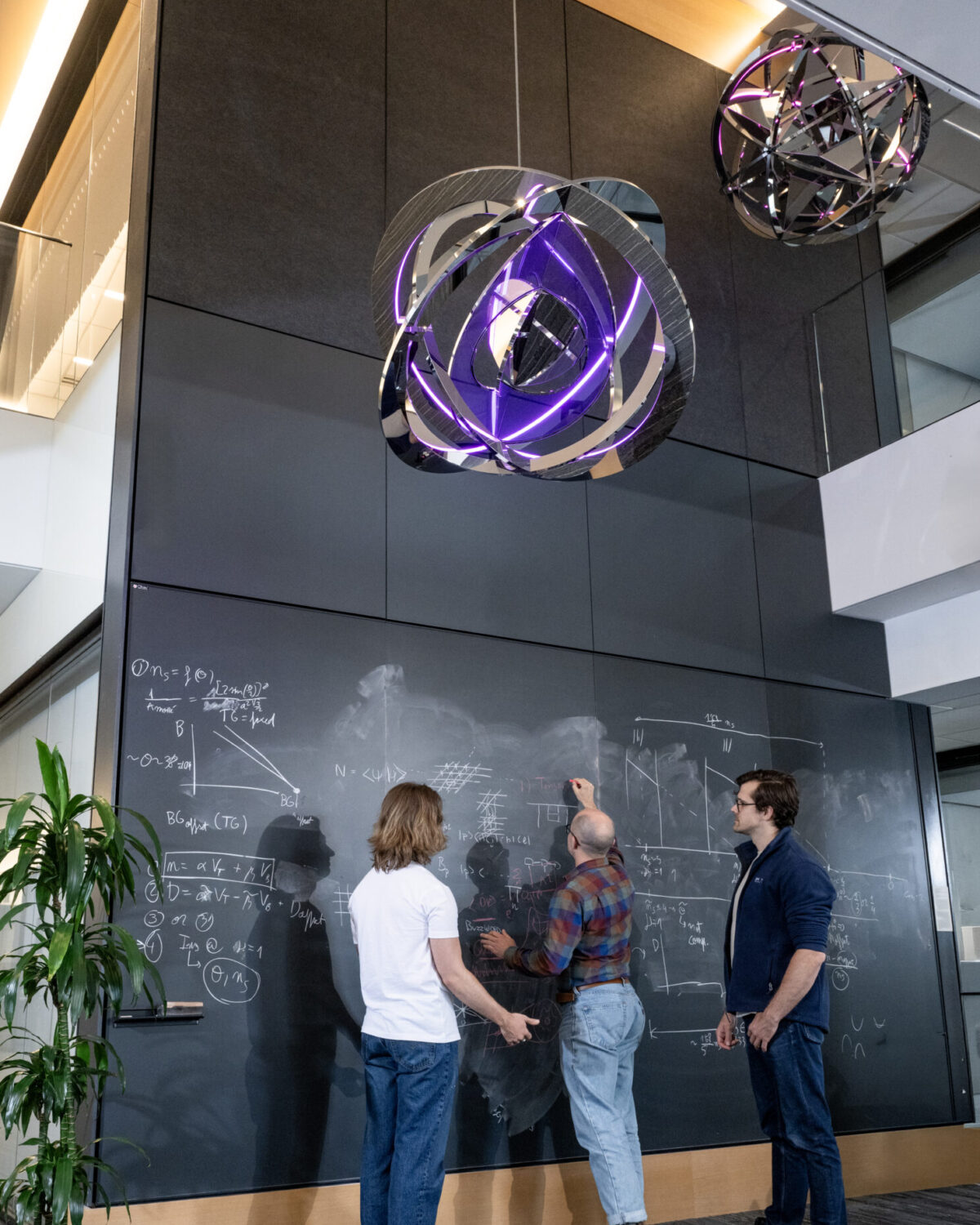
Quantum Effects Go Macro: Collaboration Unravels the Ultra-Quantum Realm
After seven years, the researchers behind the Simons Collaboration on Ultra-Quantum Matter reflect on their progress in understanding systems that display quantum properties at large scales.

Simons Foundation Launches $15M Effort To Help Mathematicians Navigate AI Era
The funding and resources will help researchers leverage AI tools and adapt to changes in the field.
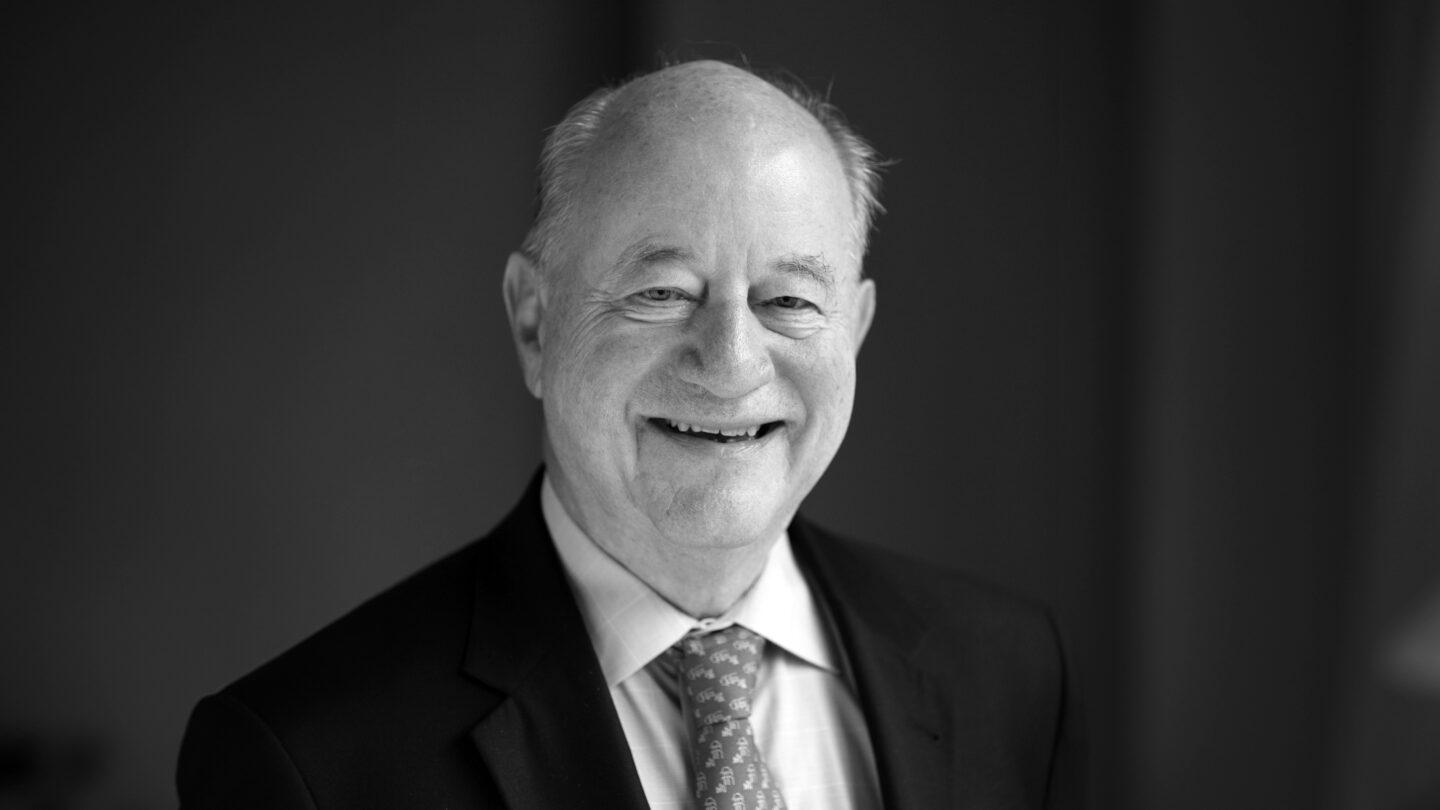
Remembering Gerry Fischbach: A Pioneer in Neuroscience and Autism Research
As founding director of the Simons Foundation Autism Research Initiative (SFARI) and the foundation’s first chief scientist, Fischbach helped build the foundation’s scientific enterprise.
Featured Funding
Targeted Grants to Math+AI Institutes – 2027 Request for Applications
Funding OpportunityThe Simons Foundation’s Mathematics and Physical Sciences (MPS) division invites applications for Targeted Grants to Math+AI Institutes. Deadline for Application Submission: December 1, 2026, 12 p.m. (noon) Eastern time.
Apply by December 1, 2026
Simons Postdoctoral Fellowships in Plant Biology – 2027 Request for Applications
Funding OpportunityThese postdoctoral fellowships support candidates who intend to pursue a career in basic research on fundamental problems in plant biology. This program aims to support researchers seeking to understand the inner workings of plants at the level of the whole organism or below.
Apply by December 3, 2026
Fellows-to-Faculty – 2027 Request for Applications
Funding OpportunityThe Fellows-to-Faculty Award program supports talented early career scientists by facilitating their transition into tenure-track faculty positions. The focus of this program is the $600,000 USD three (3) year faculty research grant.
Apply by January 13, 2027
Scientific Software Research Faculty Award – 2027–2028 Request for Applications
Funding OpportunityThe Simons Foundation’s Mathematics and Physical Sciences (MPS) division invites applications for its Scientific Software Research Faculty (SSRF) Award in the MPS program for new faculty appointments to start no later than September 1, 2028.
Apply by January 21, 2027
At a Glance
$312 Million
In annual grantmaking
250+
Scientists at the Flatiron Institute
49
U.S. states in which we provide funding
2,750
Grants and gifts awarded annually
310
Scientific events hosted in 2025
32
Years of impact

In-House Research
The Flatiron Institute is the Simons Foundation’s internal center for computational science research.
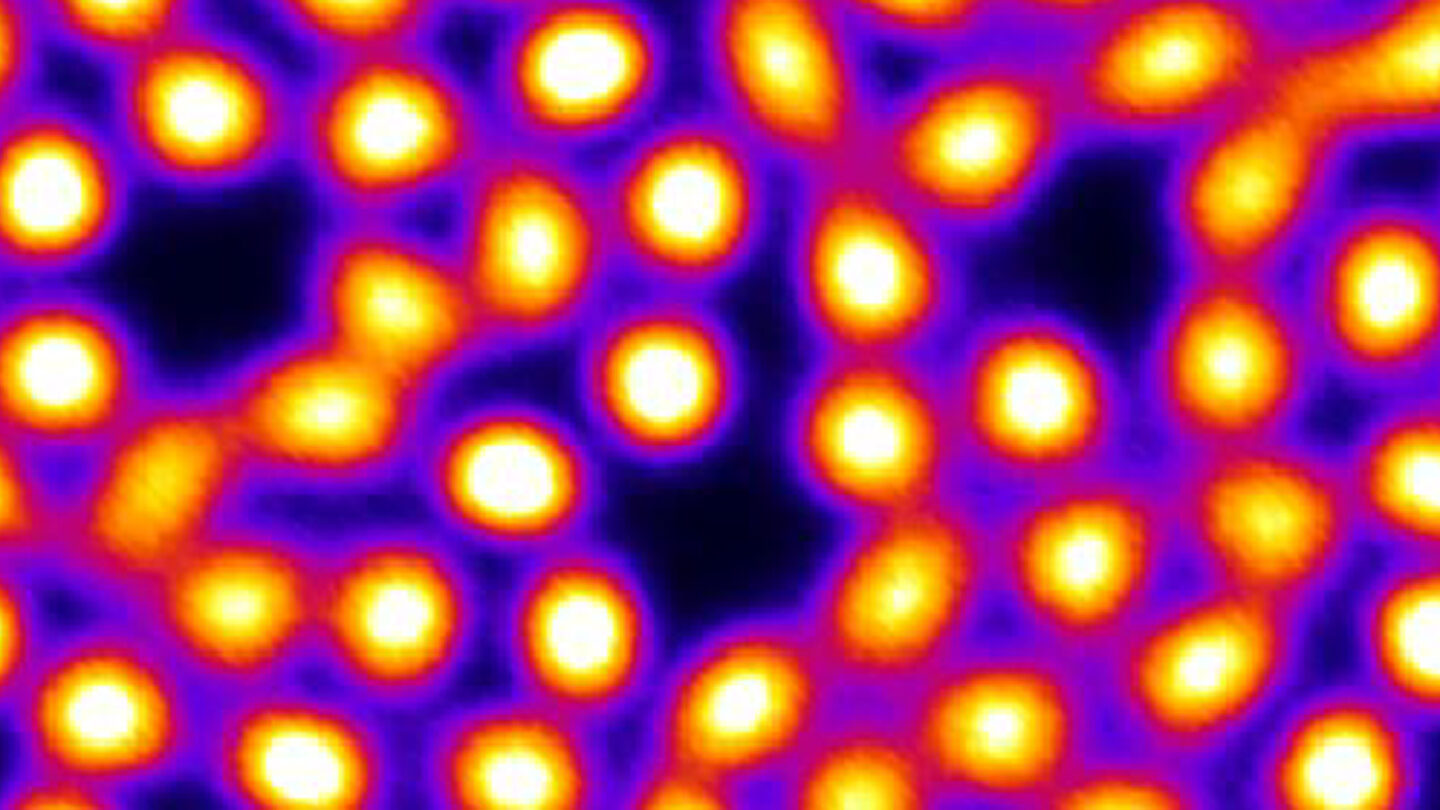



Stories of Impact : Sound + Science
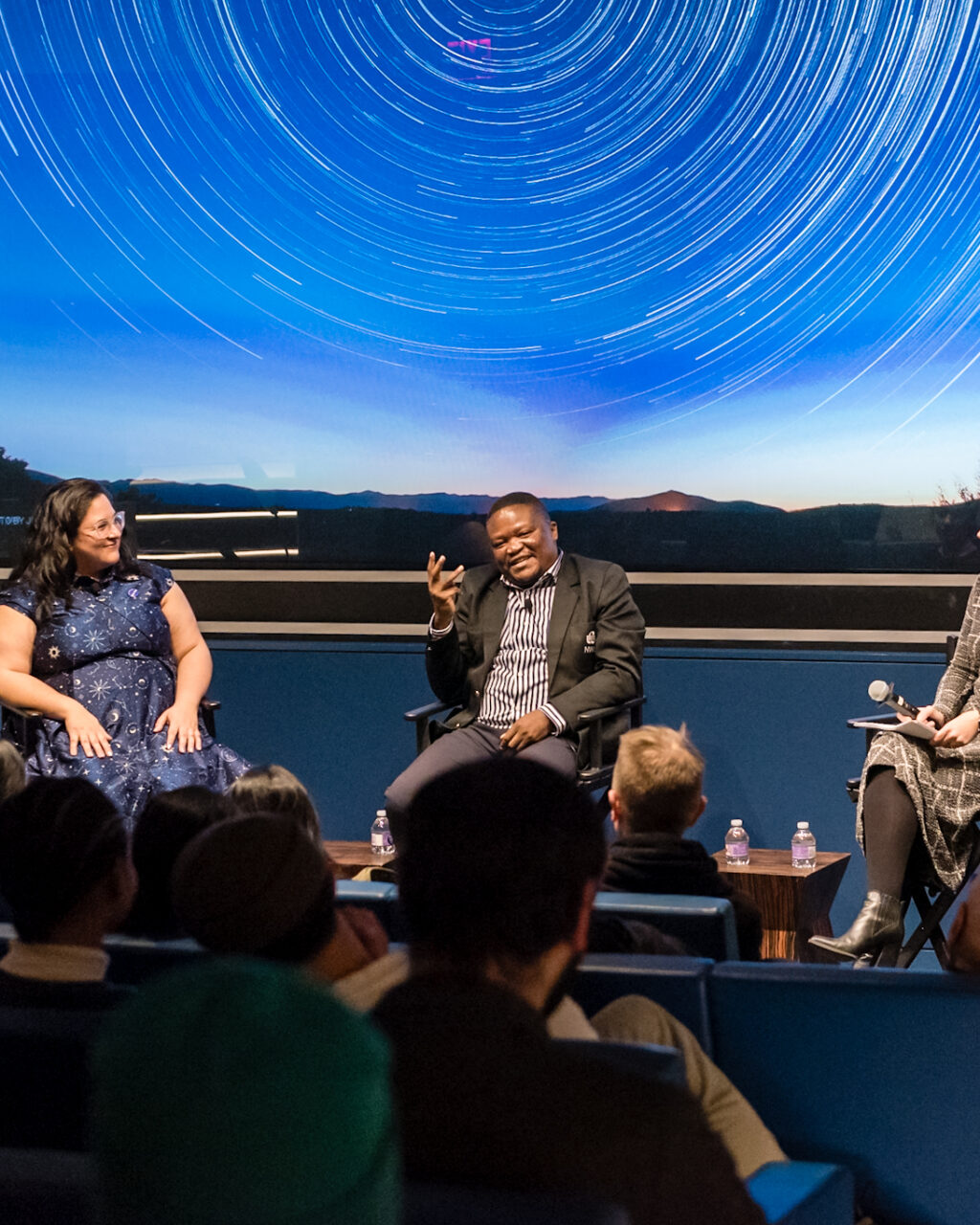
Sound + Science uses music production to make STEM concepts engaging and accessible through mentorship and exploration. In this video, theoretical physicist Stephon Alexander explains how the organization creates an inclusive environment that helps people—especially those underrepresented in STEM—build lasting connections with science.
Upcoming Events
Kakeya Sets and Related Problems
Presidential LectureOctober 28, 2026
6–7 p.m. ET
Speaker
Hong Wang

Gut Feelings: How Our Nervous and Immune Systems Communicate
Presidential LectureNovember 4, 2026
6–7 p.m. ET
Speaker
Daniel Mucida
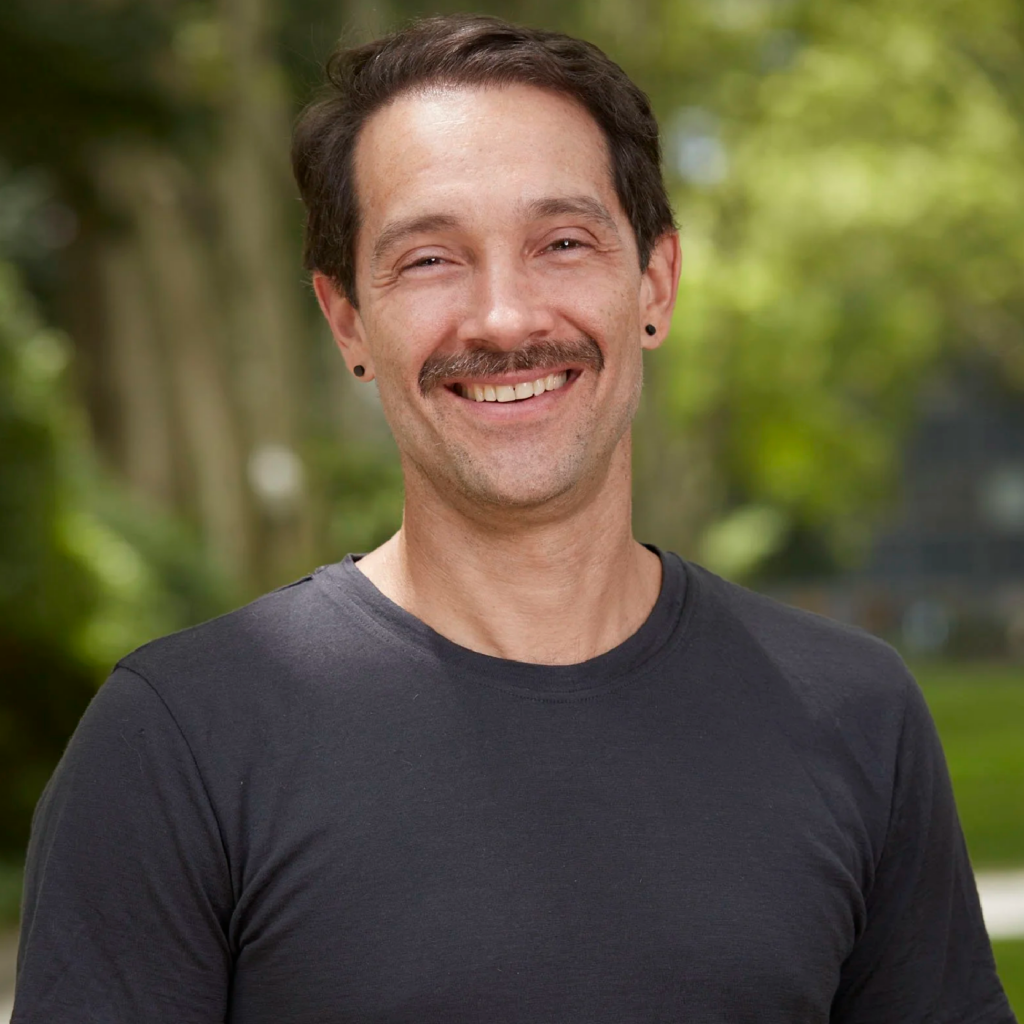
How to Build a Black Hole
Presidential LectureNovember 11, 2026
6–7 p.m. ET
Speaker
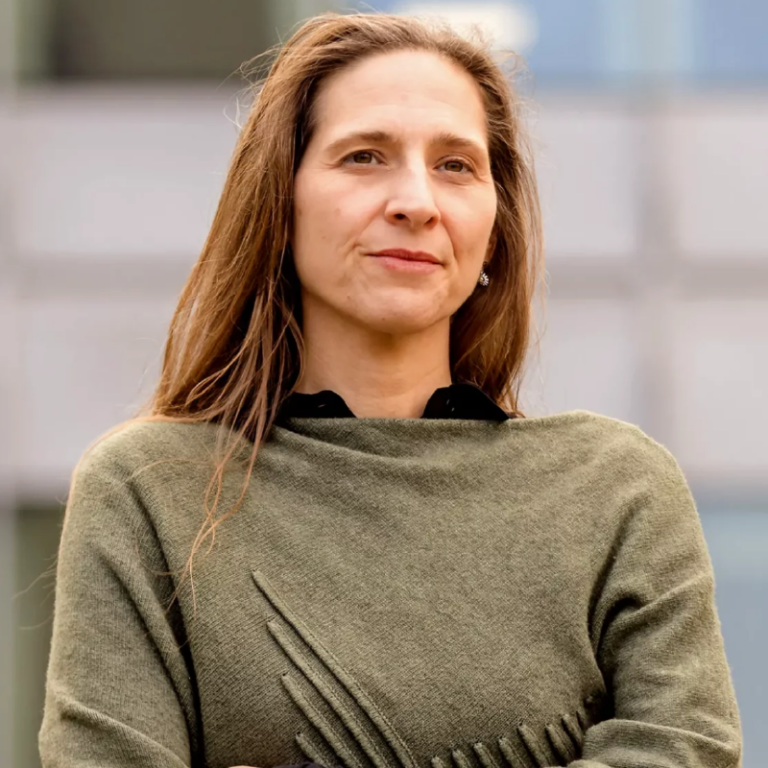
Silke Weinfurtner
A Universe of Grief
In ConversationNovember 20, 2026
6–8 p.m. ET
Speakers
Amy Secunda, Ain Gordon, Neha Shastry, John Tracey